What's Current in
Ocean and Beaches
On the water and on the sand, our research explores ocean health and evolution so we can better understand how to protect and preserve the largest area of Earth.
Image

Photo Credit
Matt Perko
Sophia Lecuona Manos, right, is one of several student researchers who discovered a new crab egg predator in the lab of UCSB parasitologist Armand Kuris, left, holding a yellow rock crab.
Image

Photo Credit
Divina Cox
Image

Photo Credit
Matt Perko
Ocean policy issues are front and center on UC Santa Barbara’s coastal campus.
Image

Photo Credit
UC Santa Barbara
Declines in water clarity are a pressing concern for coastal ecosystems.
Image

Photo Credit
J. Morin/ NOAA
Much of the organic carbon sinking into the deep ocean is carried by tiny organic particles known as marine snow.
Image

Microbes are responsible for much of carbon sequestration in the ocean
Image
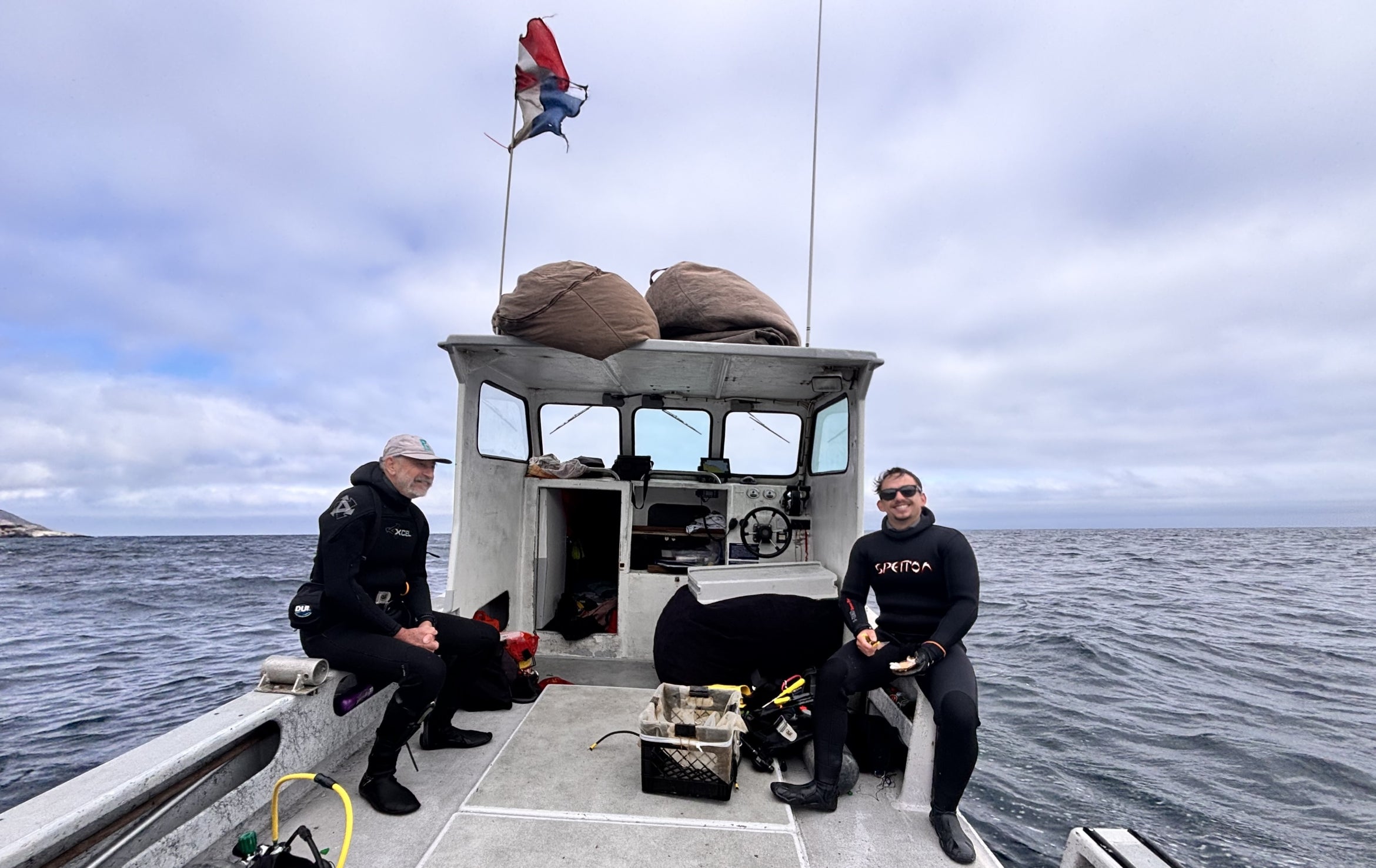
Photo Credit
Courtesy Image
Volunteer taxonomist Gustav Pauly from the Florida Museum of Natural History, left and SBC-LTER lab technician Darrin Ambat on a morning dive to retrieve Autonomous Reef Monitoring Structures from the sea floor
Image

Photo Credit
Procuraduría Federal de Protección al Ambiente (PROFEPA)
Totoaba poaching continues in the Gulf of California despite a 50-year fishing ban. But farming the fish for export may curb poaching.

Image

Eutrophication — caused by excessive nutrients, such as fertilizer runoff — causes a bloom of algae that depletes the water of oxygen and causes 'dead zones' that kill fish and other marine organisms
Image

Photo Credit
Elena Zhukova
There’s a cacophony of acoustic signals below the range of human hearing, many quite intense, that you can pick up with the right “ears.”
Image

Photo Credit
David Huang
San Dieguito Lagoon, one of Beheshti’s primary research sites.
Image
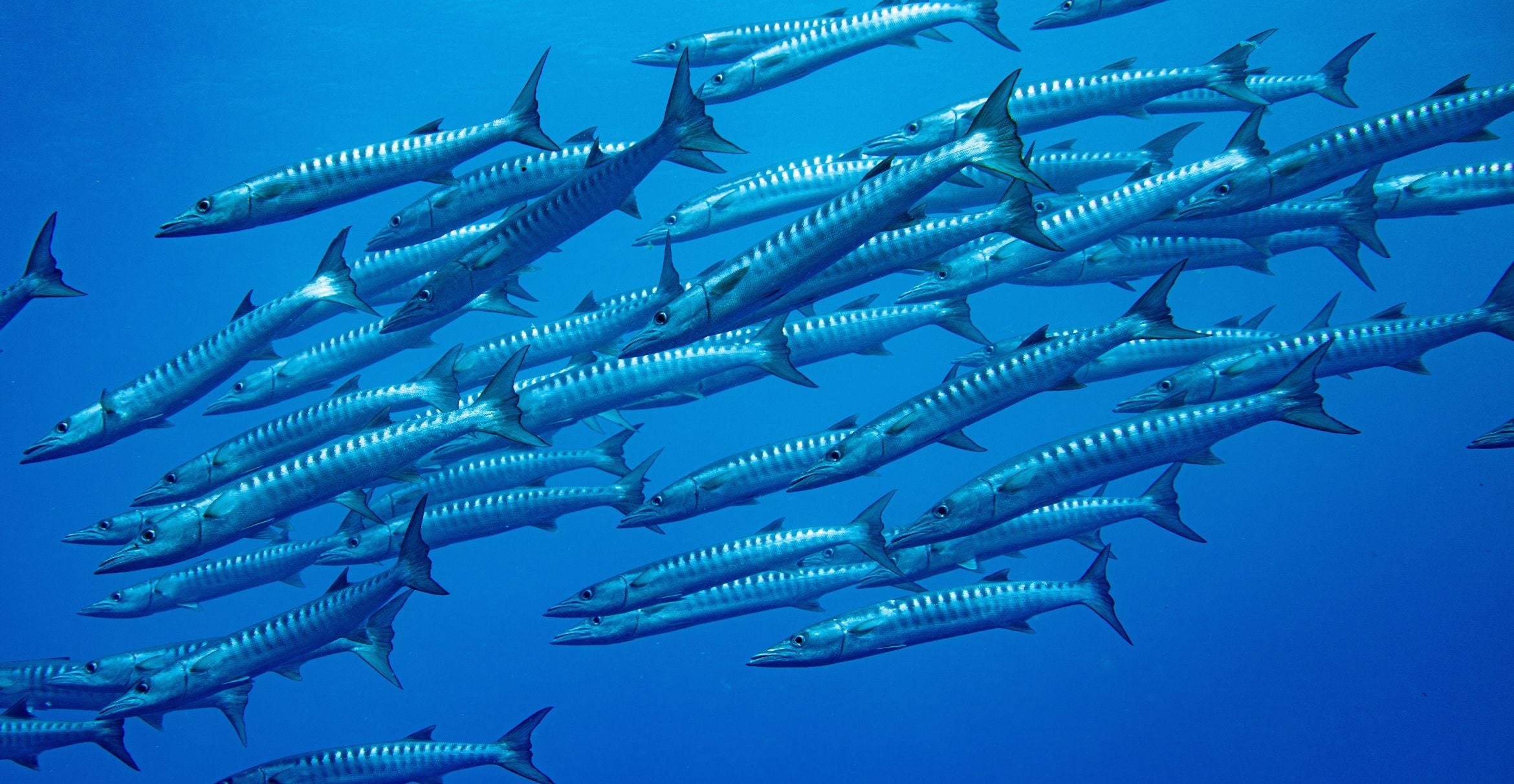
Photo Credit
University of Wisconsin–Madison
Monitoring fishing activity far from shore presents a challenge for resource management and marine conservation.